
• Home
  • Blog
  • About
      • Back
      • Gallery
      • Videos
      • Staff Access
  • Trail Cam
  • Staff
  • Sponsors
  • TV
  • Contact

From the Field

  1. You are here:  
  2. Home
  3. Blog

Top 5 ESH Custom Calls Turkey Calls and When to Use Them

Details
Working Class Hunter
22 April 2026
709

By Ryan Fair

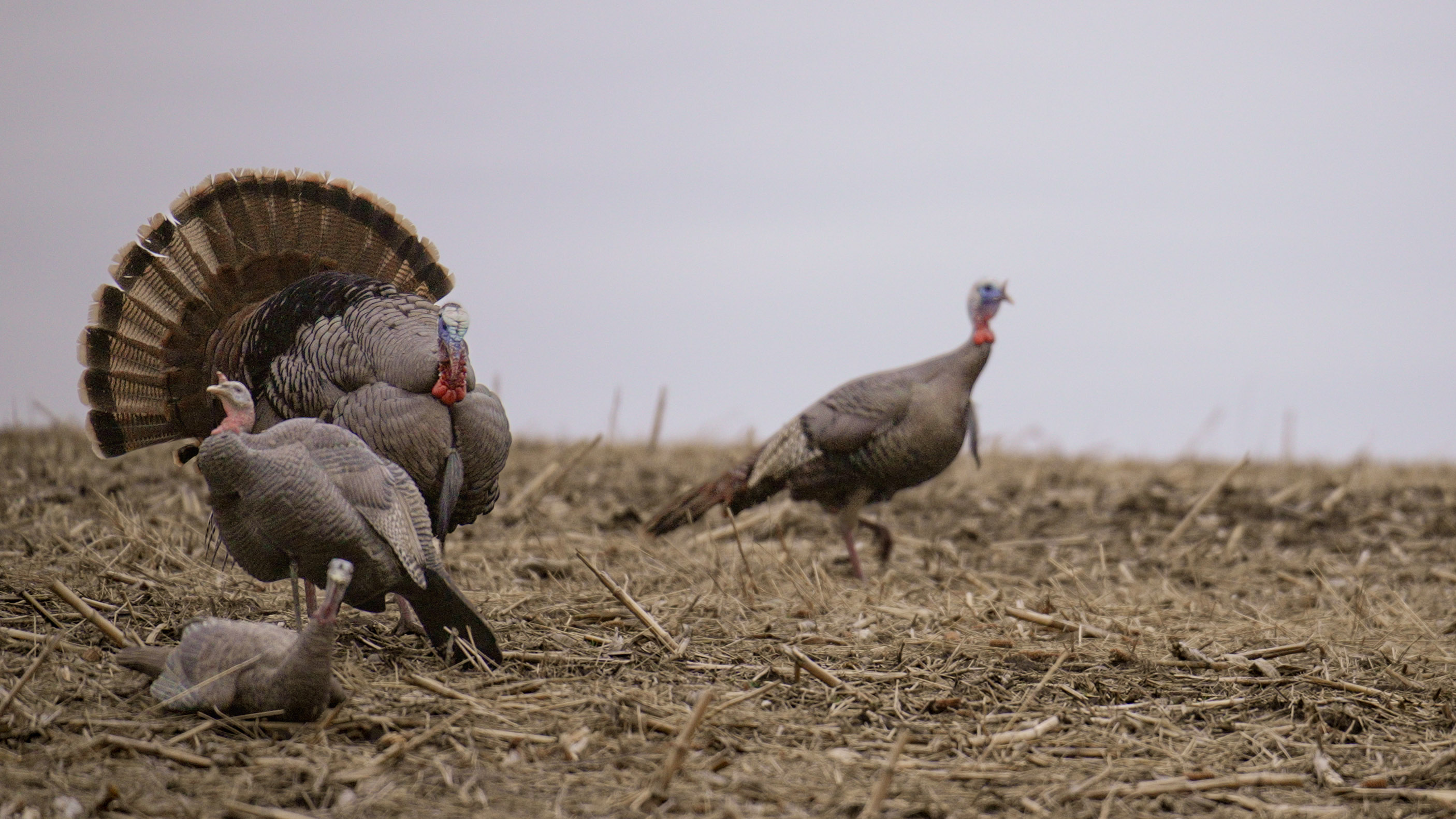
If there’s one thing that makes turkey hunting so addicting, it’s the conversation. Every hunt is different, and every gobbler has his own personality. Some mornings they come running to the first yelp they hear. Other times they make you work for every single response. That’s why having a variety of turkey calls in your vest is so important. Different calls shine in different situations and knowing when to use each one can make all the difference.

Over the years I’ve learned that you don’t need dozens of calls to consistently tag birds. What you need are a few dependable ones that cover every scenario you’re likely to encounter. The lineup from ESH Custom Calls has several excellent options, but there are five calls that I believe belong in every turkey hunter’s vest. With one good mouth call setup, a pot call, a box call, and a couple locator calls, you can handle almost any situation the spring woods throws your way. Below are five calls we trust and when we like to use each one here at Working Class Hunter.

A group of men posing with a turkey

Description automatically generated

1. ESH Signature Series 3 Pack Mouth Calls

Best for: Versatility and hands-free hunting in close

A good mouth call is still the backbone of my vest, but instead of relying on just one, I like having options. That’s where the ESH Signature Series 3 Pack Mouth Calls really shine. You’re not stuck with a single tone or style, you’ve got multiple cuts and reed configurations that let you match whatever mood the birds are in. Some days gobblers want a raspy, aggressive hen. Other days they’ll only respond to soft, clean yelps. Having three different diaphragms ready to go lets you adjust on the fly without digging around or second guessing yourself.

Like any mouth call, the biggest advantage here is staying hands-free. When a bird is inside that 80-yard bubble, movement will get you busted quicker than bad calling. With a diaphragm, you can stay locked in on your gun and still work a bird with soft clucks, purrs, and subtle yelps. This is what I lean on most when it’s time to finish a hunt. When a gobbler hangs up and needs just a little more convincing, switching between calls in that pack can be the difference between him walking off or stepping into range.

2. ESH Champion’s Choice Pot Call

Best for: Realistic hen talk and mid-morning setups

There’s something about a good pot call that just sounds right in the woods. It’s clean, it’s natural, and it flat-out kills turkeys. The ESH Champion’s Choice Pot Call is one of those calls that can do a little bit of everything and do it well. It’s the call I grab when I want to sound like a content hen just going about her morning. Soft yelps, clucks, and purrs come easy on it, and that realism really matters once birds start getting pressured.

Mid-morning is where this call really earns its keep. The woods quiet down, hens slip off to nest, and lonely gobblers start covering ground. That’s when I like to set up in open timber or along field edges and run a pot call just enough to sound like a hen that’s feeding and moving. It’s not about being loud, it’s about being believable. And that’s exactly what a good pot call like this delivers.

3. ESH All Weather Box Call

Best for: Locating birds and hunting tough conditions

A box call still has a place in every vest I carry, especially when I need volume. The ESH All Weather Box Call is built for those days when conditions are less than ideal. Early mornings and big country are where this call shines. If I’m trying to strike a gobbler that hasn’t said a word yet, I want something that can reach out and touch him. A few sharp yelps on a box call can cover a lot of ground in a hurry.

What I really like about an all-weather design is the reliability. Spring weather isn’t always perfect, and having a call that still runs when things get damp gives you an edge a lot of guys don’t think about. I’ll often use this call to get a bird fired up, then put it down and switch to something softer as he starts working in. It’s a great attention-getter, but like any loud call, knowing when to back off is key.

4. ESH Custom Calls Crow Locator Call

Best for: Covering ground and triggering midday gobbles

Locator calls don’t get talked about enough, but they’re one of the most efficient ways to find birds. The ESH Custom Calls Crow Locator Call is one I keep handy anytime I’m moving and trying to strike a gobbler. Midday, when everything seems dead quiet, is when I use it the most. I’ll ease through likely areas, hit the crow call, and listen. A lot of times that sudden, sharp sound will make a gobbler fire off without him even realizing why.

The best part is it doesn’t educate birds. A crow is a normal sound in the woods, so you can use it as much as you need without making turkeys call-shy. When one answers, the game changes quick. Now it’s about getting set up and switching over to your turkey calls to seal the deal.

5. ESH Custom Calls Barred Owl Locator Call

Best for: Pinpointing roosted birds at daylight

If I had to pick one moment that sets the tone for a turkey hunt, it’s those first few minutes before daylight. That’s where the ESH Custom Calls Barred Owl Locator Call comes into play. Owls are a natural part of the woods waking up, and that makes them perfect for getting a shock gobble from a roosted bird. I’ll get set up in a good listening spot, let things settle, and then hit an owl call.

When a gobbler answers on the limb, you’ve just gained a huge advantage. Now you know exactly where he’s at and can plan your setup before his feet ever hit the ground. It’s a simple tool, but it consistently helps you be in the right place at the right time and that’s half the battle in turkey hunting.


A person smoking a pipe

Description automatically generated

Keeping It Simple and Effective

You don’t need to overcomplicate turkey hunting. With a handful of reliable calls from ESH Custom Calls, you can cover every situation you’re going to run into.

Your locator calls help you find birds.
Your box call helps you reach out and strike one.
Your pot call adds realism once you’re set up.
And your mouth calls finish the job when it matters most.

It’s a system that just works. And when it all comes together, when that gobbler finally commits and comes strutting in, you realize real quick it’s not about how many calls you carry. It’s about knowing exactly when to use the right one.

Timber Stand Improvement for Deer and Turkey: Hinge Cutting, Selective Harvest & Long-Term Habitat Planning

Details
Working Class Hunter
16 March 2026
358

By Ryan Fair


If there’s one thing I’ve learned from chasing whitetails and longbeards across small farms and big timber tracts, it’s this, pretty woods don’t always mean productive woods. Some of the most “park-like” timber I’ve walked through looked great to the eye, but they were biologically dead. No browse. No stem density. No cover. Just big tree trunks and bare dirt underneath.

This is where timber stand improvement (TSI) comes in. It’s not glamorous work. It usually involves a chainsaw, sweat, and a long-term mindset. But if you care about growing and holding mature bucks and giving turkeys the kind of habitat, they need to thrive, TSI flat-out works.

Most Midwestern timber is overgrown and overcrowded. Years of high-grading and neglect leave you with shade-tolerant, low-value species choking out the forest floor. When sunlight can’t reach the ground, nothing grows. And when nothing grows, deer have no browse and turkeys lack brood habitat. Timber stand improvement is simply the process of manipulating that timber to improve forest health, wildlife habitat, and long-term value. At its core, it’s about one thing, getting sunlight back to the dirt.

Hinge Cutting

One of the quickest ways to see immediate results is hinge cutting. I’ve hinge cut a lot of bedding areas over the years, especially along transitions near food plots and inside thicker blocks of timber where I wanted to create security cover fast. The concept is simple: you cut a tree at about waist height and leave enough hinge wood so the tree falls but stays alive. Instead of leaves being 30 feet in the air, they’re now at deer level. That top continues to grow, providing instant browse and structure.

The first time you hinge cut an area, it can feel like you’re making a mess. But give it a growing season and come back. The difference is night and day. Deer start bedding in it almost immediately. Trails begin weaving through it. The added stem count makes mature bucks feel comfortable moving in daylight. For species selection, I focus on low-value trees like elm, soft maple, ironwood, boxelder, really anything that isn’t contributing much mast value. I’m essentially converting junk trees into living cover. For turkeys, hinge cutting can add protection and edge, but I’m careful not to overdo it. Turkeys still need open travel lanes and strut zones. I like creating pockets and edges rather than a wall of chaos.

A forest with trees and grass

Description automatically generated with medium confidence

Selective Harvest

Beyond hinge cutting, selective harvest is where you really start thinking long term. This is more strategic than just dropping trees. You’re intentionally removing certain stems to improve the overall health and value of the stand. That might mean cutting poorly formed trees, removing invasive species, thinning overcrowded areas, or releasing high-value crop trees like white oaks. When you free up the crown of a healthy oak and give it sunlight and space, acorn production can increase significantly. That’s a long-term win for deer.

Selective harvest also opens the canopy just enough to spark understory growth without completely resetting the stand. That flush of forbs, briars, and saplings provide a high-protein browse for deer and incredible brood habitat for turkeys. Poults rely heavily on insects during their first few weeks of life, and insects thrive in areas with sunlight and diverse vegetation. A properly thinned timber stand comes alive in late spring. If you’re unsure how to mark trees or determine value, this is where a consulting forester earns his keep. Hiring a forester instead of relying solely on a logger helps ensure you’re improving your woods rather than high-grading them.

A log in the snow

Description automatically generated

Clear Cutting

Clear cutting is probably the most misunderstood tool in habitat management. It gets a bad name because people associate it with destruction, but when done strategically, it can be one of the most powerful improvements you make. A clear-cut resets forest succession and mimics natural disturbances like fire or storm damage. The first several years after a clear cut are dynamite for wildlife. Stem counts explode, browse is abundant, and bedding cover becomes almost impenetrable. On larger properties, I like the idea of rotating clear cuts in sections, this allows you to create different age classes across the farm. Instead of everything being mature timber, you end up with a mix of young regeneration, mid-age growth, and older mast-producing stands. That diversity benefits both deer and turkeys year-round.

A forest with trees and a pile of logs

Description automatically generated

Tree Harvest

If you’re considering selling timber, approach it like you would any other crop. Timber has value, and it can fund a lot of other improvements on your property if handled correctly. I always recommend hiring a consulting forester before agreeing to any harvest. Have the timber appraised. Set clear objectives. Put everything in writing. Competitive bidding alone can significantly increase what you’re paid. The money generated from a selective harvest or clear cut can be reinvested into food plots, access improvements, native grass plantings, or even additional TSI work. The key is making sure the harvest aligns with your long-term habitat goals, not just a short-term payday.

A pile of logs in a forest

Description automatically generated

Having a plan

That brings me to the most important piece of all, having a long-term forestry plan. Timber doesn’t operate on a one-season timeline like a food plot. It’s a 10-, 15-, even 20-year vision. Start by taking inventory. What species dominate your woods? What age classes are present? Are there quality mast producers worth protecting and releasing? Are there areas better suited for regeneration cuts? A good plan might start with light TSI and hinge cutting in the first couple of years, followed by selective harvest in targeted areas. Later down the road, small clear cuts can create early successional habitat. The goal is diversity in structure, sunlight, and age.

From a whitetail perspective, the benefits are obvious. Increased browse means better nutrition. Thicker cover means safer bedding. Improved edge creates predictable travel routes. Released mast trees boost acorn production. I’ve watched properties transform from open, low-activity timber into places where mature bucks feel comfortable spending daylight hours. It doesn’t happen overnight, but it does happen.

Turkeys benefit just as much, though in slightly different ways. They need nesting cover that isn’t too thick and brood habitat rich in insects. They need escape cover but also open pockets to strut and travel. Timber stand improvement, when done thoughtfully, provides all of that. A balanced mix of open canopy, regeneration, and mature timber gives turkeys everything they need throughout the year.

At the end of the day, timber stand improvement isn’t about cutting trees for the sake of cutting trees. It’s about intentional disturbance. It’s about creating sunlight, structure, and diversity where stagnation once existed. Food plots get a lot of attention, and here at Working Class Hunter we love planting them, but your timber often makes up the majority of your acreage. If you ignore it, you’re leaving serious potential on the table.

Start small if you need to. Drop a few low-value trees and watch what happens. Walk your woods with a critical eye instead of an emotional one. Think long term and habitat first. Because when the woods get better, the deer and turkey hunting will follow right behind it.

Deer in the woods with trees

Description automatically generated


Frost Seeding Food Plots for Wildlife: Making Late Winter Work for You

Details
Working Class Hunter
16 February 2026
440

Frost Seeding Food Plots for Wildlife: Making Late Winter Work for You

By Ryan Fair

Late winter is one of those times of year when a lot of hunters mentally check out. The season’s over, the woods feel quiet, and spring seems a long way off. But for those willing to embrace cold mornings and frozen ground, this is one of the most effective windows of the year to improve your food plots, without firing up a tractor, gathering equipment, or burning any diesel. That’s where frost seeding comes in.

Frost seeding is a simple, old-school land management tactic that works with nature instead of against it. It’s affordable, efficient, and perfectly suited for the working-class hunter who’s balancing limited time to get projects done, a tight budget, and lack of access to equipment. Done right, it can thicken existing plots, improve forage quality, and set your property up for success months before green-up.

A person walking in a field

Description automatically generated


What Is Frost Seeding?

At its core, frost seeding is broadcasting seed onto the ground during late winter when the soil is going through daily freeze-thaw cycles. During the night, the ground freezes, and contracts. During the day, it thaws and expands. That constant movement creates tiny cracks and openings in the soil surface. When seed is spread during this window, those freeze-thaw cycles naturally pull the seed into the soil, creating excellent seed-to-soil contact without tillage.

Unlike spring planting, frost seeding doesn’t rely on freshly worked ground. In fact, it works best in existing food plots, native openings, logging trails, or thin areas where vegetation is already present but could use a boost. Clover plots, in particular, respond extremely well to frost seeding, making this technique a staple for wildlife managers across the country.

Why Frost Seeding Works So Well

The biggest advantage of frost seeding is timing. You’re getting seed on the ground before spring rains, before aggressive weeds wake up, and before you’re pulled in a dozen different directions. When soil temperatures rise and moisture becomes consistent, those seeds are already in place and ready to grow.

Another benefit is minimal equipment. No tractor. No disc. No cultipacker. A simple hand spreader or ATV broadcaster will get the job done. That means smaller properties, hard-to-reach plots, and remote clearings are all fair game.

Frost seeding is also incredibly forgiving. Even if conditions aren’t perfect every day, spreading seed over multiple mornings increases your odds. As long as the ground is freezing at night and thawing during the day, nature does the work for you.

Choosing the Right Seed

Not all seeds are created equal when it comes to frost seeding. Small-seed varieties perform best because they don’t need deep soil coverage to germinate. This is where Rakk Fuel shines.

Several Rakk Fuel blends are ideal candidates for frost seeding, especially those built around clovers and other small-seed forages. Blends that include white clover, crimson clover, and brassicas can be broadcast right on frozen ground and still establish strong stands come spring. These mixes are designed to thrive under pressure, tolerate browsing, and provide high-quality nutrition when deer need it most.

Frost seeding with Rakk Fuel allows you to refresh worn-out plots, fill in bare spots, or layer new forage into existing stands without disturbing what’s already working. It’s an easy way to increase attraction and nutrition without starting from scratch.

A white container with brown grains

Description automatically generated


When and How to Frost Seed

Timing is everything. The sweet spot is late winter into very early spring when daytime temperatures rise above freezing but nights still drop below it. Snow cover isn’t a deal breaker, but you’ll want seed to eventually make contact with the soil.

Early mornings are often the best time to spread seed. The ground is firm, making walking easy, and you can cover ground efficiently without sinking into mud. Broadcast evenly, focusing on thinner areas first, then lightly feathering into thicker growth.

You don’t need to overdo it. Frost seeding is about supplementing, not burying the plot in seed. Follow recommended rates for the Rakk Fuel blend you’re using and trust the process.

Cold Mornings, Warm Feet

Anyone who’s frost seeded knows it’s not glamorous work. You’re walking frozen ground, covering acres, and doing it all in some of the coldest conditions of the year. That’s where quality footwear matters.

LaCrosse boots are made for exactly this kind of work. Waterproof, insulated, and built for uneven ground, they keep your feet dry and supported when you’re logging miles across frozen plots and snow-covered fields. Pair those boots with Alpaca Altera socks, and you’ve got a combination that keeps your feet warm without overheating once you get moving. Good socks might not sound like a big deal, until you’ve spent a cold morning wishing you’d worn better ones.

Comfort keeps you out longer, and time on the ground is what separates good land management from great land management.

A Warm Cup Makes a Difference

There’s something about frost seeding that just feels right. Quiet mornings. Crunching frost under your boots. Steam rising as the sun starts to warm the ground. And when the cold really bites, warming up with a cup of Hunting Day Coffee makes the whole experience better. It’s a small ritual, but on frigid mornings, that hot cup in your hands is often what keeps you moving instead of heading back to the truck early.


A bag of coffee on a counter

Description automatically generated


Long-Term Payoff

Frost seeding isn’t about instant gratification. It’s about stacking small advantages over time. A thicker clover stand means better nutrition through spring and summer. Better nutrition leads to healthier deer, stronger fawns, and improved antler growth. Come fall, those same plots become reliable stop-overs during daylight movement.

For the working-class hunter, frost seeding checks every box. It’s affordable, efficient, low-impact, and proven. With quality seed from Rakk Fuel, dependable gear like LaCrosse boots and Alpaca Altera socks, and the willingness to brave cold mornings, you can turn late winter into one of the most productive times of the year for your property.

When spring finally arrives and green growth explodes, you’ll know the work you put in while most folks were waiting it out made all the difference.

Utilize the Codes below for a discount from some of our great partners:

Rakk Fuel - WCHUNTER
Hunting Day Coffee - WCH10


Late-Season Supplemental Feeding for Deer: Why It Matters After the Rut

Late-Season Supplemental Feeding for Deer: Why It Matters After the Rut

Details
Working Class Hunter
29 January 2026
2173

By Ryan Fair 

Late season whitetail hunting is a grind. The rut is long gone, daylight movement is limited, and deer are in full survival mode. By the time winter settles in, most bucks have lost 20–25 percent of their body weight, food sources are scarce, and cold temperatures demand more calories just to stay alive. This is where supplemental feeding stops being a luxury and starts becoming a critical management tool.

I’ve watched it play out year after year. When natural forage disappears and snow or cold locks down browse, deer shift hard to the most reliable and easiest calories they can find. If you can provide those calories in the right form and in the right location you can not only help deer recover from the rut, but also dramatically improve late-season daylight activity.

Late Season Is All About Calories

During the late season, deer aren’t traveling for curiosity or breeding they’re moving with purpose. Every step cost them valuable energy. That means they gravitate to food sources that provide them with high energy, are easily digestible, and packed with essential minerals.

Corn alone might keep deer coming back, but it doesn’t check all the boxes. Deer coming off the rut need protein, fats, minerals, and trace elements to rebuild muscle, strengthen immune systems, and prepare for harsh winter conditions. This is where targeted supplemental feeding shines.

Why Minerals Still Matter in Winter

A common misconception is that minerals are only important in spring and summer. While it’s true mineral consumption peaks during antler growth and lactation, deer still crave minerals in winter especially sodium and trace minerals that support digestion and overall health.

This is where Redmond Hunting products have become a staple on all our Working Class Hunter properties. Redmond’s natural mineral offerings, including their mineral blocks and loose mineral blends, are sourced from ancient sea salt deposits and contain a broad spectrum of trace minerals that deer instinctively seek out. Unlike overly processed blocks, Redmond minerals are clean, natural, and something deer readily consume even in colder months.

Placing Redmond mineral sites near late-season feeding areas creates a one-two punch: calories paired with nutrients that help deer actually utilize the food they’re eating. I’ve consistently seen deer linger longer at these sites, especially mature bucks that don’t waste movement this time of year.

A bag of food in the snow

Description automatically generated

Rakk Fuel: Built for the Grind of Winter

When it comes to straight-up late-season nutrition, Rakk Fuel has earned a permanent spot in our feeding program. Rakk Fuel is designed specifically for high-stress periods with winter being at the top of that list. Its high-fat, high-protein formulation delivers the kind of energy deer need when temperatures drop, and natural food sources are limited. The fat content is especially important, as fat provides more than double the energy of carbohydrates or protein.

What really stands out with Rakk Fuel is consistency. Deer don’t just sample it, they commit to it. Once they find it, they work it into their daily routine. That predictability is gold for late-season hunting when daylight movement is often tied directly to food access.

We like to run Rakk Fuel in gravity feeders positioned just inside cover, close to bedding but far enough away to allow deer to stage before stepping out. Pairing those feeders with Redmond mineral nearby keeps deer in the area longer and encourages repeat visits.

A bag of corn seeds

Description automatically generated


Strategic Placement Is Everything

Supplemental feeding isn’t just about dumping product on the ground. Location matters, maybe even more in late season than any other time of year. Focus on south-facing slopes, thermal cover, and areas protected from prevailing winds. Deer want to feed where they feel secure and can conserve energy. When you place Rakk Fuel and Redmond minerals in these locations, you’re creating a hub deer can rely on when conditions are toughest.

Trail cameras over these sites tell the story quickly. For this reason, we like to hang our Tactacam cell cameras up to collect valuable intel. You’ll quickly see stressed bucks reappear, body conditions improve, and movement patterns tighten up. That information alone is worth the effort.

Ethical, Effective, and Impactful

Supplemental feeding isn’t about baiting deer it’s about supporting the herd during the most difficult time of year. When done responsibly and legally, it improves herd health, helps bucks recover from the rut, and increases overall winter survival, especially in harsh climates.

Products like Redmond Hunting minerals and Rakk Fuel aren’t gimmicks. They’re tools. Tools that, when used correctly, make a real difference on the ground. Late season is where preparation meets payoff. If you’re willing to put in the work when conditions are brutal, supplemental feeding can turn a dead period into one of the most rewarding times of the year both for hunting success and long-term herd health.

Now's the Time for Minerals!

Details
Working Class Hunter
02 July 2025
966

By Ryan Fair

         Mineral sites are a great place to locate bucks this time of year. One of my favorite things to do on these warm summer nights is to sit behind my Vortex Optics spotting scope at sunset and watch the bucks pile into my Trophy Rock mineral site. The biggest bucks in the area are usually some of the first to come out, unlike during hunting season, this offers plenty of time to watch them and pick up on their mannerisms. Mineral sites are not only great for this, they also can play a very important part in a whitetail’s overall heath. 

Read more …

Page 1 of 4

  • 1
  • 2
  • 3
  • 4

Facebook

Working Class Hunter

Wildlife Food Plot Soil Test Kit

The Learn more details about the importance of wildlife foot plot here.importance of planning wildlife plots cannot be over emphasized. Get your soil test kit here today!

Main Menu

  • Home
  • Blog
  • About
  • Trail Cam
  • Staff
  • Sponsors
  • TV
  • Contact

Login Form

  • Forgot your password?
  • Forgot your username?

Our Sponsors

  • Vortex Optics

    Vortex Optics

  • Scent Armor

    Scent Armor

  • Matthews

    Matthews

  • Barronett Blinds

    Barronett Blinds

  • Raw Frozen Scents

    Raw Frozen Scents

  • Fourth Arrow Camera Arms

    Fourth Arrow Camera Arms

  • WyndScent

    WyndScent

  • Rakk Fuel Premium Deer Nutrition

    Rakk Fuel Premium Deer Nutrition

  • FeraDyne

    FeraDyne

  • Mission Crossbows

    Mission Crossbows

  • Rivers Edge® Treestands

    Rivers Edge® Treestands

  • Dark Energy

    Dark Energy

  • REDMOND HUNT

    REDMOND HUNT

  • Altera Alpaca

    Altera Alpaca

  • ESH Custom Calls

    ESH Custom Calls

  • Shooting Rest Kits

    Shooting Rest Kits

  • CAGE® Permanent Hub Blinds

    CAGE® Permanent Hub Blinds

  • REVEAL CELLULAR CAMERA BY TACTACAM

    REVEAL CELLULAR CAMERA BY TACTACAM

  • Plotmaster Foodplot Systems

    Plotmaster Foodplot Systems

  • HHA Sights

    HHA Sights

  • Nested Tree Stands

    Nested Tree Stands

  • Hunting Day Coffee

    Hunting Day Coffee

  • The Bohning Company, Ltd

    The Bohning Company, Ltd

About Us

Working Class Hunter is a group of average, hard-working, blue-collar outdoorsmen that love to make the most of every moment that they are able to spend in God’s great outdoors. Through their series, viewers can expect to see deer, turkey and predator hunting, along with hunting tips and how-to's, outdoor devotions, and product reviews.

Recent Posts

Top 5 ESH Custom Calls Turkey...

Timber Stand Improvement for Deer...

Frost Seeding Food Plots for...

Late-Season Supplemental Feeding...

Now's the Time for Minerals!

Get in Touch

ccanter@workingclasshunter.com
Marketing and Sponsorship Opportunities stephen@workingclasshunter.com
© Working Class Hunter - website by the computer guy & co.