
By Ryan Fair
Every year it happens. Deer season sneaks up on hunters who knew it was coming the whole time. One minute we are talking about food plots, trail cameras, summer fishing, and getting stands ready. Then all at once, September is staring us in the face and guys are scrambling to get their bow tuned, arrows built, broadheads flying, and confidence back where it needs to be. That is a bad place to be when the first sit of the season rolls around.
Bowhunting is too hard is hard enough as it is. There are enough things that can go wrong in the deer woods without adding poor preparation to the list. If you want to be ready this fall, now is the time to get your bow out, go through it from top to bottom, and start shooting with a purpose. Whether you are shooting a new Mathews bow or the same rig you have carried for several seasons, the work you put in during the summer will show up when it matters most.

Start With the Bow Itself
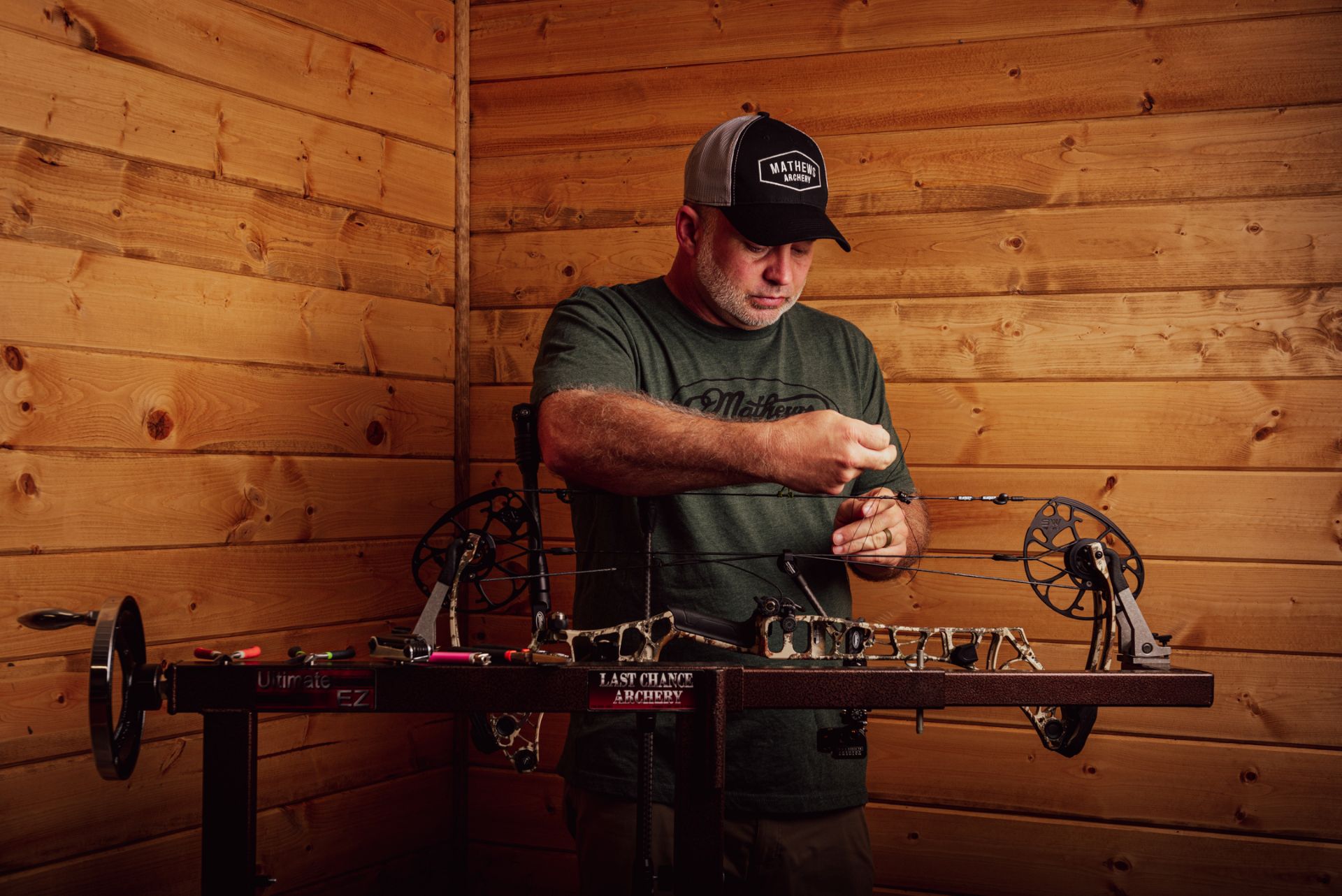
Before I ever worry about groups or broadheads, I like to look the bow over. It does not take long, but it matters. Check the strings and cables for wear, serving separation, or anything that looks questionable. Look at the peep, D-loop, rest, sight, stabilizer, quiver mount, and every screw that can work loose over time.
A bow takes more abuse than we sometimes realize. It rides in trucks, hangs in garages, gets bumped in blinds, and gets carried through brush. Even a well-built bow like a Mathews still needs regular attention. This is also a good time to take your bow to a good pro shop if something feels off. Do not wait until the week before season when everyone else in town has the same idea. A simple tune, string check, or rest adjustment now can save a lot of frustration later.
Build Confidence With Your Arrows
Arrows do not get enough credit until they cause a problem. A bow can be tuned well, but if your arrows are inconsistent, damaged, or poorly matched to your setup, your groups will show it.
Here at Working Class Hunter we shoot Carbon Express arrows because they have always been dependable hunting arrows. No matter what model you shoot, the key is making sure your arrows are matched to your draw weight, draw length, broadhead weight, and hunting setup. Spine matters, straightness matters, and weight consistency matters.
This is also the time to inspect every arrow. Flex them, check the inserts, look for cracks, splinters, loose components, damaged nocks, and worn vanes. Any arrow that makes you question it should be pulled from the hunting pile, it is not worth taking a chance.
Once I have my hunting arrows picked out, I like to number them. That way I can track how each arrow shoots. If one arrow keeps drifting out of the group, I know it is the arrow and not me. By the time opening day gets here, I want a handful of arrows that I completely trust.

Tune Before You Practice Too Much
There is nothing wrong with shooting a lot, but shooting an untuned bow over and over just builds bad habits and bad confidence. Before you start stretching distance or shooting broadheads, make sure your bow is tuned. Paper tuning is a good start, but I do not stop there. I want to see how the bow groups. I want to shoot at different distances. I want to see how my arrows react when I am tired, when I am shooting in the wind, and when I am not standing perfectly flat in the yard.
A tuned bow should feel forgiving. It should hold well, release clean, and put arrows where you aim. When something feels inconsistent, do not jump to blaming yourself. Sometimes it is form, sometimes it is the bow, sometimes it is arrow flight. The point is to figure that out now, not after you miss a deer.
Do Not Wait on Broadheads
One of the biggest mistakes bowhunters make is practicing with field points all summer and then screwing on broadheads right before opening day. Sometimes they hit the same but many times they do not. Broadheads tell the truth. If your bow is not tuned, they usually show it. That is why I like to start shooting broadheads early. Once I have my field points grouping well, I start shooting the actual heads I plan to hunt with. I do not need to wear out targets every day with broadheads, but I do need to know where they hit.
If my broadheads are not grouping with my field points, I want enough time to fix it. That may mean adjusting the rest, checking arrow spine, changing vane orientation, or making small tuning changes. It may also mean one broadhead or one arrow just does not fly like the others. By fall, there should be no mystery. I want to know exactly what my hunting arrows are doing.

Use a Rangefinder During Practice
A lot of hunters own a rangefinder but do not practice with it enough. They range a tree before the hunt, stick the rangefinder back in their pocket, and hope everything happens like they planned. Sometimes it does. A lot of times, deer do what deer do.
Using a Vortex rangefinder during practice helps build the same routine you will use in the stand. Range the target, draw, anchor, settle the pin, make the shot. It sounds simple, but building that rhythm now makes it feel natural later.
I also like to range odd distances. Not every deer stands at 20, 30, or 40 yards. Practice at 17. Practice at 26. Practice at 33. Learn what your pin gap looks like. Learn how your bow shoots when the distance is not perfect. If you hunt from treestands or blinds, practice with that in mind too. Shoot from an elevated position if you can. Practice sitting down. Practice turning at the waist. Practice from awkward angles. Most deer do not walk in and stand perfectly broadside while you are comfortable and ready.
Shoot Like You Hunt
Standing in the yard in shorts and a T-shirt is good for building reps, but at some point, you need to practice like you hunt. Wear your release. Wear your harness. Shoot with your quiver on. Shoot in your hunting jacket when the weather cools. Practice with gloves. Practice from a blind chair if you hunt out of a blind. The little things matter. A sleeve can hit a string. A face mask can change your anchor. A bulky jacket can make your draw cycle feel different. A blind window can mess with your form if you have not practiced from one.
I also like to practice with one-arrow groups. In the woods, you usually get one shot. Walk outside, grab one arrow, range the target, and make that shot count. It puts a little more pressure on the process, and that is a good thing.

Build a Routine You Can Trust
Good shooting is repeatable shooting. Grip the bow the same way. Anchor the same way. Level the bubble. Pick a spot. Pull through the shot. Follow through. The more you practice that routine now, the less you have to think about it later. When a mature buck steps out, your heart rate is going to climb. That is part of bowhunting. The goal is not to be calm like nothing is happening. The goal is to have a routine strong enough to hold up when everything is happening fast.
Confidence does not come from hoping your bow is ready. It comes from knowing it is.
Final Thoughts
Setting your bow up now is not just about having better groups. It is about removing doubt. When fall gets here, there will already be enough to think about. Wind direction, access routes, stand choice, deer movement, food sources, pressure, and timing all play a role. Your bow setup should not be one more question mark.
Get your Mathews tuned. Sort through your Carbon Express arrows. Shoot your broadheads. Practice with your Vortex rangefinder. Build a routine. Make the mistakes now while they only cost you foam and time. Opening day has a way of showing who prepared and who waited too long. Do the work now, and when that first deer steps into range this fall, you will be glad you did.